
Pakistan has requested zero-tariff access to China to boost annual exports from around $3 billion to between $20 billion and $25 billion. Federal Planning Minister Ahsan Iqbal raised the proposal during meetings with Chinese officials in Beijing on November 26–27, 2026, to improve Pakistan’s export competitiveness and reduce its trade deficit.
The proposal could create new opportunities for Pakistan’s automotive and auto-parts industries if the final agreement covers relevant products.
Pakistan is seeking a non-reciprocal tariff arrangement, similar to China’s trade concessions for African countries. Moreover, the proposed arrangement would operate separately from the existing Pakistan-China Free Trade Agreement (FTA).
Pakistan’s Growing Trade Deficit With China
According to official government figures, Pakistan’s trade with China during FY2025–26 stood at:
| Trade category | Value |
|---|---|
| Pakistan’s exports to China | $2.71 billion |
| Pakistan’s imports from China | $22.34 billion |
| Trade deficit | $19.63 billion |
| Proposed annual export target | $20–25 billion |
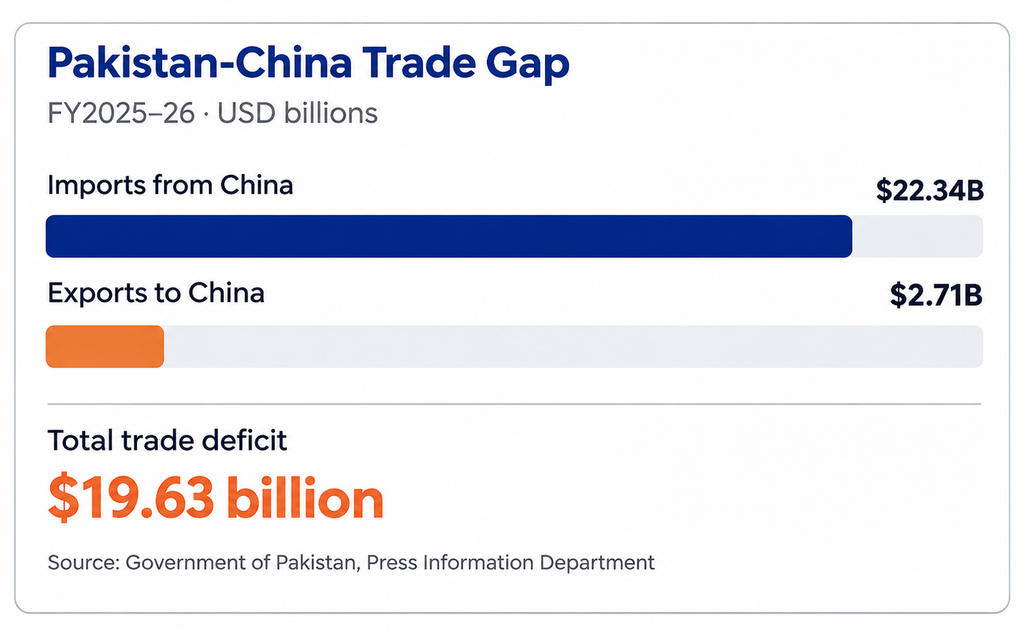
The figures highlight a significant trade imbalance between the two countries. Therefore, Pakistan needs to strengthen its manufacturing sector and increase exports. However, achieving the proposed target will require better production standards, competitive prices and greater industrial investment.
How Zero-Tariff Access to China Could Benefit Pakistan’s Auto Industry
China plays an important role in Pakistan’s automotive market. It supplies vehicles, assembly kits, auto parts, batteries and electric vehicle technology. Duty-free access could help Pakistani manufacturers enter the Chinese market at more competitive prices.
In particular, Pakistan’s automotive industry could explore export opportunities in the following categories:
- Locally manufactured auto parts
- Automotive electrical components
- Rubber and plastic components
- Engineering goods and metal components
- Automotive accessories
Furthermore, higher export demand could encourage local manufacturers to expand production. It could also create opportunities for international partnerships and technology transfer. However, competing with China’s established automotive supply chain will remain challenging. Pakistani manufacturers must improve production capacity, product quality and manufacturing efficiency.
Could Local Automakers Benefit From the Proposal?
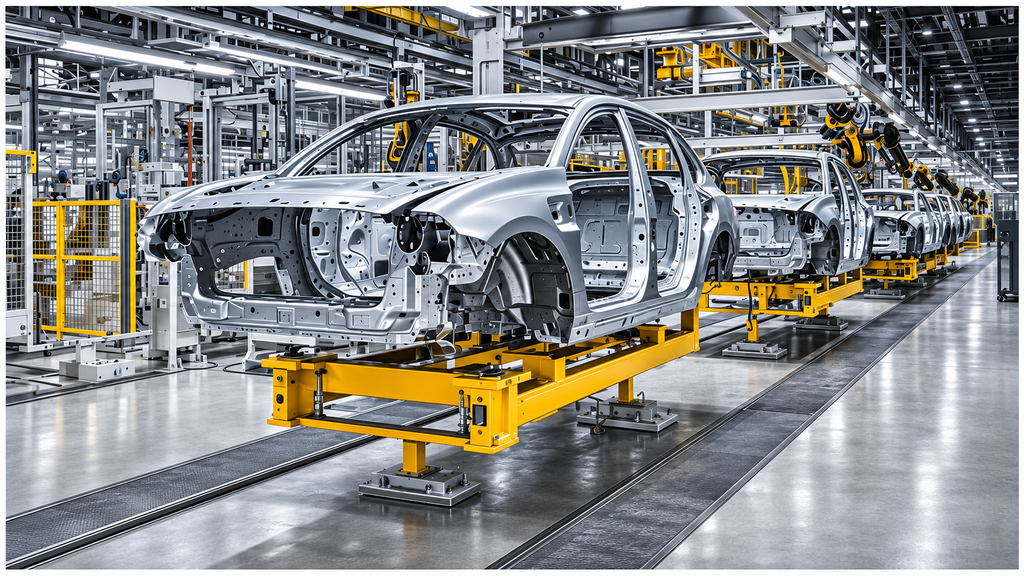
Local manufacturers such as Indus Motor, Pak Suzuki and Honda Atlas could benefit indirectly from a stronger domestic supplier network. Similarly, Chinese-backed automotive companies operating in Pakistan could explore new manufacturing and export opportunities.
Higher export demand could encourage investment in locally manufactured components. As a result, automakers could gradually reduce their dependence on imported parts. Additionally, Pakistan’s emerging electric vehicle (EV) industry could explore partnerships in battery technology and EV component manufacturing. However, these opportunities depend on product eligibility, investment and the final terms of the agreement.
How Could Zero-Tariff Access Affect Car Prices in Pakistan?
The proposed zero-tariff access to China does not mean Chinese cars will immediately become cheaper in Pakistan. Pakistan is seeking lower tariffs on its exports to China. It is not requesting lower import duties on Chinese vehicles entering Pakistan under this proposal. However, increased local manufacturing could help reduce production costs over time. For example, higher production volumes could allow auto-parts manufacturers to lower their costs. Consequently, local automakers could benefit from a more competitive supply chain. Nevertheless, any reduction in car prices would also depend on exchange rates, taxes, production costs and government policies.
What’s Next for Pakistan’s Automotive Industry?
Pakistan’s proposal remains under discussion. Both countries still need to negotiate product eligibility, rules of origin and implementation timelines. If negotiations succeed, zero-tariff access to China could help Pakistan become part of international automotive supply chains. For now, local manufacturers and car buyers must wait for a formal agreement before assessing its actual impact on the automotive market.
For the latest automotive news, car prices and market updates in Pakistan, stay connected with CarMandi.

No comment yet, add your voice below!